




Procurement Snapshot
|
Area |
HT-920 Configuration |
Why a Buyer Cares |
Order Check |
|
Reception |
AM 530-1710 KHz; FM 87-108 MHz; WB CH1-CH7 |
Combines everyday radio with seven weather-band channels |
Confirm market labeling and final band claim |
|
Power |
Li-ion 3.7V 800-1200mAh; 2 × AAA reserve |
Rechargeable plus replaceable-cell backup |
Select capacity and battery sourcing plan |
|
Manual charging |
Hand-crank output AC 8.8V / 450mA |
Independent replenishment when grid power is unavailable |
Verify sample crank operation |
|
Emergency functions |
Superbright Φ5 LED + acoustic siren |
Lighting and audible signaling in one housing |
Check output and controls before approval |
|
Wired input |
Micro USB DC 5V |
Allows routine charging before storage or travel |
Confirm cable/accessory requirement |
|
Format |
Bright yellow/black; 12.2 × 4.5 × 6.3 cm; ~260 g |
Easy to locate in kits and storage areas |
Confirm color and retail presentation |
What the platform does not assume
The page treats WB CH1-CH7 as the supplied radio configuration. Packaging, compliance wording and destination-market claims should be confirmed for the final order rather than copied automatically from another market.
Building a Hand Crank NOAA Weather Radio for Different Channels
The same HT-920 platform can serve different channels, but the commercial brief should change with the buyer. A household kit, a public-safety project and an outdoor retail program do not need identical packaging, battery choices or instructions.
Channel A - Household Preparedness Kits
Priorities usually center on simple controls, visible storage, backup batteries and clear instructions. The bright yellow/black housing, 2 × AAA reserve and integrated light are useful when the radio may sit in a preparedness box for long periods before use.
Channel B - Institutional or Project Supply
Project buyers may focus more heavily on frequency configuration, batch consistency, labeling, documentation and acceptance criteria. The configuration should be fixed before sampling so the inspection plan can follow the approved version.
Channel C - Outdoor and Camping Assortments
For outdoor distribution, compact size, the fold-out crank, flashlight and replaceable-battery backup can be emphasized. Retail artwork can position the product as a practical off-grid radio rather than only as a disaster-only item.
Four Questions to Settle Before Quotation
|
Buyer Decision |
What Hai Tong Needs to Confirm |
|
1. Destination market |
Required radio configuration, labeling language and any market-specific product claim. |
|
2. Power plan |
Rechargeable capacity within the supported 800-1200mAh range, plus whether AAA backup is part of the retail message. |
|
3. Branding package |
Logo, housing color, manual, barcode/SKU, color box and carton marks. |
|
4. Inspection brief |
Which functions must be demonstrated on the pre-production sample and repeated during batch inspection. |
A buyer can start with a specification sheet, reference product, artwork file or a concise requirement list. The goal is to define the commercial version first, then quote and sample that version rather than making late changes after production planning begins.
Power Continuity as a Sourcing Decision
HT-920 uses four distinct power routes: the rechargeable Li-ion cell, two AAA dry batteries, hand-crank generation and DC 5V Micro-USB charging. For sourcing, these routes should be treated as a system rather than four marketing bullets.
|
Power Route |
Source Data |
Best Use in Product Planning |
Buyer Verification |
|
Rechargeable cell |
3.7V, 800-1200mAh |
Routine use and stored rechargeable power |
Confirm selected capacity on sample and order |
|
AAA reserve |
2 × AAA; not included |
Replaceable backup source |
Confirm labeling and battery compartment operation |
|
Hand crank |
AC 8.8V / 450mA |
Manual replenishment when wired power is unavailable |
Check mechanical operation and charging response |
|
Micro USB |
DC 5V input |
Normal wired recharge before use or storage |
Confirm port fit and charging function |
OEM Configuration Map - Keep the Platform, Change the Commercial Layer
To reduce development risk, buyers can separate the fixed technical platform from the commercial items that may be adapted for a confirmed project.
|
Configuration Area |
Current Platform Reference |
Possible Buyer Discussion |
|
Radio / weather bands |
AM / FM / WB CH1-CH7 |
Destination-market review before artwork is frozen |
|
Rechargeable battery |
Li-ion, supported 800-1200mAh range |
Capacity selection within supported options |
|
Housing |
Bright yellow / black |
Project color evaluation subject to quantity and feasibility |
|
Brand identity |
Factory model presentation |
Logo, product label, SKU and barcode |
|
Retail pack |
Export packing available |
Buyer artwork, color box, multilingual manual and carton marks |
|
Inspection |
Functional checks before shipment |
Buyer-defined acceptance points can be added to the approved specification |
Commercial baseline
Standard MOQ is 500 PCS. A new buyer should approve the product sample, battery choice and retail artwork before mass production. Typical bulk production is around 30 days after approval, subject to quantity, materials, customization and the confirmed factory schedule.
HT-920 Validation Plan: Reception → Power → Alert → Pack
A Hand Crank NOAA Weather Radio should be approved as a functional system, not only by appearance. For HT-920, the sample and batch checks can be organized around the four blocks below.
|
Control Block |
What to Check |
Reference |
Why It Matters |
|
Reception |
AM, FM and WB channel operation; antenna; speaker |
AM 530-1710 KHz; FM 87-108 MHz; WB CH1-CH7 |
The buyer is purchasing information access, not only a powered device |
|
Power |
Rechargeable cell, AAA source, Micro-USB input and crank function |
3.7V Li-ion; 2 × AAA; DC 5V; AC 8.8V/450mA crank |
Different power routes must operate as the approved configuration |
|
Emergency functions |
Flashlight and acoustic siren |
Superbright Φ5 LED; built-in siren |
Lighting and audible signaling are part of the product proposition |
|
Presentation |
Housing, labels, accessories, manual and retail pack |
Approved artwork / order specification |
Prevents commercial details from drifting after technical approval |
Production Control Around the Approved Sample
• Incoming components and battery configuration are matched to the confirmed order version.
• SMT/PCBA work and assembly are followed by product-specific function checks rather than relying only on final appearance inspection.
• Aging and final inspection can be aligned to the approved sample and buyer acceptance points.
• Production or inspection photos can be supplied on request before shipment.


Reliability Evidence from a Japanese Preparedness Program
A historical Japanese household emergency-kit program focused on whether radios would remain dependable after extended storage. The customer's validation covered reception sensitivity, battery performance, hand-crank generation, structural integrity, controls, lighting and long-term operating stability.
For that customer-specific program, validation included a 1.2-meter drop test, 500 hand-crank durability cycles and environmental testing from -10°C to 50°C, together with checks of reception, lighting and charging. Hai Tong subsequently completed production and delivery of 50,000 emergency radios.

How to use this reference correctly
These historical test conditions demonstrate experience supporting a reliability-focused customer program. They should not be presented as the automatic test standard for every current HT-920 order. The current inspection scope should be agreed against the buyer's final specification.
Export Packing & Rechargeable-Battery Documentation
Finished units are protected with a bubble bag and individual box before being arranged in the outer export carton. For private-label programs, manuals, labels, barcodes and carton marks can follow the approved artwork.
Because the product contains a rechargeable lithium battery, the required transport paperwork depends on the confirmed battery configuration and shipping route. Available support can include:
• UN38.3 test documentation
• MSDS (Material Safety Data Sheet)
• Air transport report / certification, where applicable
• Sea transport report / certification, where applicable
Document availability should be checked against the actual finished battery and the buyer or freight forwarder's logistics requirements before dispatch.
Factory Qualification for Bulk Buyers
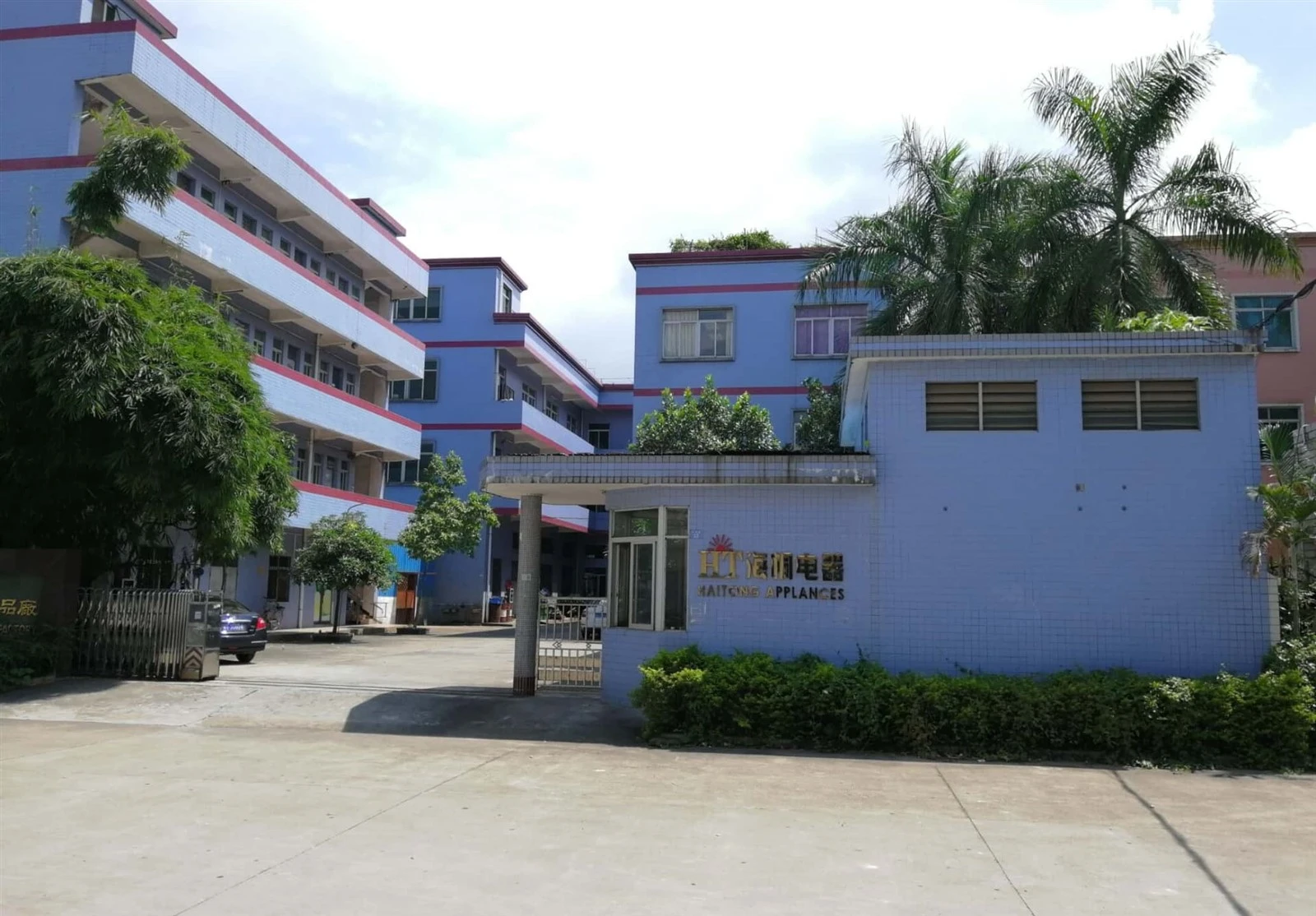

Hai Tong supports overseas brands, importers, distributors and project buyers with radio development, assembly, testing and export preparation. The source document identifies in-house resources covering SMT, assembly, aging tests and shielding tests, together with product and factory documentation for export projects.
For a new program, buyers should confirm the exact certificate or audit document needed for the selected model and destination market rather than assuming that every document applies to every configuration.
Buyer FAQ
Q1: What should I verify before ordering a Hand Crank NOAA Weather Radio?
Confirm the destination market, WB/AM/FM configuration, rechargeable battery choice, AAA backup requirement, branding, packaging and the functions that must be demonstrated on the approval sample.
Q2: What is the MOQ and normal production timing?
The standard MOQ is 500 PCS. A typical mass-production lead time is around 30 days after the sample, specification and commercial details are approved, subject to quantity, customization, material readiness and the factory schedule.
Q3: Can I order a sample before committing to production?
Yes. A sample can normally be prepared in about 5 days, depending on whether the requested version is standard or customized. The buyer can use it to check reception, charging, lighting, siren operation, appearance and packaging.
Q4: What payment terms are normally used?
T/T is normally accepted. For orders of USD 1,000 or above, the standard term is 30% deposit and 70% balance before shipment, subject to the confirmed order terms.
For quotation, send the destination market, estimated quantity, target battery configuration, branding request and packaging brief. Hai Tong can then review the workable HT-920 version before sampling and mass production.


Hot Tags: hand crank noaa weather radio, China hand crank noaa weather radio manufacturers, suppliers, factory


