



Commercial Snapshot
Six radio bands with physical tuning controls
AM 530-1600 KHz and FM 88-108 MHz cover familiar local broadcasts, while SW1-SW4 extend the specified tuning range across 3.8-26 MHz. Rotary tuning and volume controls keep operation familiar for users who prefer direct physical controls.
More than one way to keep the unit operating
The radio supports a 3.7V rechargeable Li-ion battery, two AA dry cells as an alternate DC 3V source, a 9V/400mA crank generator, a 5V/20mA solar panel and a DC 4.5-6V charging input. These options give buyers flexibility when planning products for storage, travel or unstable power conditions.
Everyday functions beyond emergency reception
An LCD clock and alarm increase usefulness in a bedroom, shelter or campsite, while the LED flashlight adds directional lighting. A 2.25-inch loudspeaker and 3.5mm earphone jack support both shared and private listening.
Technical Reference for Sourcing
|
Item |
HT-888 Specification |
Item |
HT-888 Specification |
|
Radio bands |
AM / FM / SW1-SW4 |
Rechargeable power |
3.7V Li-ion, 800-3000mAh |
|
AM range |
530-1600 KHz |
Dry-cell option |
2 × AA, DC 3V (not included) |
|
FM range |
88-108 MHz |
Crank output |
9V / 400mA |
|
Shortwave range |
3.8-26 MHz |
Solar panel |
97 × 26 mm; 5V / 20mA |
|
DC input |
4.5-6V; adaptor not included |
Loudspeaker |
2.25 in, 8Ω 0.5W |
|
Earphone jack |
3.5mm |
Integrated functions |
LED light, LCD clock, alarm |
|
Antenna |
Telescopic |
Product size |
16.2 × 6.2 × 13.5 cm |
Where a Dynamo Emergency Radio Flashlight Fits in a Buyer Range
The HT-888 is most useful when the buyer wants an analog radio that can move between ordinary listening and backup use. Its commercial value comes from combining multi-band reception with several power choices rather than from a single high-output charging feature.
1. Household and Vehicle Preparedness
Rechargeable power handles normal use, AA cells provide a replaceable reserve, and the crank can replenish the internal battery when stored electricity is unavailable. The clock, alarm and light also make the product useful when it is kept in a bedroom, vehicle or emergency cabinet between events.
2. Camping, Field Work and Off-Grid Retail
A carry handle, physical controls and shortwave coverage make the platform relevant to outdoor channels that prefer conventional radio operation. For this channel, the product can be presented as a portable receiver with backup power and lighting rather than as a phone-power product.
3. Traditional Radio / Private-Label Programs
Some importers still sell analog tuning because their customers value direct knobs and band switches. HT-888 gives those programs an emergency-oriented feature set without changing the user experience to an LCD frequency menu or app-based control system.
Power Continuity: What Each Route Is For
|
Power route |
Commercial role |
Buyer note |
|
Rechargeable Li-ion |
Primary stored power for radio, clock and lighting |
Capacity can be reviewed within the supported 800-3000mAh range. |
|
2 × AA dry cells |
Replaceable reserve for storage or field use |
AA batteries are not included. |
|
Hand crank |
Manual power generation when stored power is depleted |
Specified generator output: 9V / 400mA. |
|
Solar panel |
Supplementary low-current input in daylight |
5V / 20mA; should not be marketed as a fast-charging source. |
|
DC input |
Conventional external charging route |
DC 4.5-6V; adaptor is not included in the supplied specification. |
Band Coverage Map
|
Band |
Specified range |
Typical merchandising angle |
|
AM |
530-1600 KHz |
Local talk, news and general broadcast listening |
|
FM |
88-108 MHz |
Everyday local music and information |
|
SW1-SW4 |
3.8-26 MHz |
Wider multi-band listening for traditional radio and outdoor ranges |
Private-Label Configuration Board for HT-888
Instead of repeating a generic six-step OEM process, this model is better defined by the commercial decisions a buyer must freeze before sampling. The same platform can support different retail channels, but battery, presentation and market details should be confirmed together so the approval sample matches the final SKU.
|
Decision |
What the buyer confirms |
Why it matters |
|
Battery plan |
Rechargeable capacity within the supported range; keep or remove the AA backup requirement |
Changes cost, runtime positioning and inspection points. |
|
Radio market |
Destination market and required band/frequency presentation |
Allows labels, manuals and market claims to match the approved version. |
|
Brand identity |
Logo position, model label, housing color and visible markings |
Prevents artwork changes after the housing and printing plan are frozen. |
|
Retail pack |
Color box, insert, manual language, barcode / SKU and carton mark |
Links the physical product to the buyer's warehouse and sales-channel requirements. |
|
Accessory set |
Any approved cable, adaptor or other order-specific accessory |
The supplied specification notes that the DC adaptor is not included by default. |
Three Approval Gates Before Mass Production
Gate A - Freeze the Commercial SKU
Confirm the destination market, quantity, battery configuration, visible branding and packaging concept. This defines what sales and engineering are actually quoting.
Gate B - Freeze the Evaluation Sample
Use the sample to check reception, crank operation, solar input, battery switching, LCD clock/alarm, flashlight, speaker, earphone output and the agreed appearance. A revised version should be approved if a requested change affects the production reference.
Gate C - Freeze Packing and Shipment Details
Before release to production, confirm the final box artwork, manuals, labels, carton marks and any required battery-transport paperwork. Standard MOQ is 500 PCS; sample timing and mass-production timing depend on the confirmed customization and material status.
Export Packing and Battery Documentation
Finished units can be packed in protective individual packaging and outer export cartons. For rechargeable-battery shipments, supporting documents can be coordinated according to the final cell configuration and selected route.
• UN38.3 test documentation
• MSDS (Material Safety Data Sheet)
• Air-transport supporting report / certification, where applicable
• Sea-transport supporting report / certification, where applicable
HT-888 Acceptance Plan: What Should Be Checked
Because a Dynamo Emergency Radio Flashlight combines reception, stored power, manual generation and user-interface functions, acceptance should follow the approved SKU rather than rely only on a cosmetic final inspection. The checklist below focuses on the functions that create the purchasing value of this model.
|
Inspection block |
Checks for the approved HT-888 |
What the buyer receives confidence in |
|
Radio reception |
AM, FM and the approved SW ranges; tuning knob; band switch; antenna |
The delivered batch follows the agreed receiver configuration. |
|
Power system |
Rechargeable battery operation, AA battery path, DC input, crank generation and solar input |
Each power route included in the approved SKU is functional. |
|
Clock / controls |
LCD, clock, alarm, backlight and physical switches / knobs |
The analog-control user experience is consistent from sample to batch. |
|
Lighting / audio |
LED flashlight, speaker output and 3.5mm earphone function |
Core non-radio functions work before packing. |
|
Mechanical items |
Crank movement, carry handle, antenna extension and general housing fit |
Parts that are repeatedly handled are checked against the approved sample. |
|
Order presentation |
Logo, labels, manual, barcode, accessories, retail box and carton marks |
The shipment can be received and sold under the buyer's approved SKU. |
Sample-to-Batch Control
Reference sample
The signed or otherwise approved sample should define the visual and functional reference. When battery capacity, housing color or packaging differs from the standard version, those differences should be captured before mass production starts.
In-process checks
During production, SMT/PCBA work, assembly and functional verification can be aligned with the approved configuration. Aging procedures and RF/shielding resources are available for applicable product checks according to the confirmed inspection plan.
Final release
Finished goods are checked against order requirements before packing. Production or inspection photos can be provided when agreed, allowing an overseas buyer to review the order before dispatch without treating photographs as a substitute for the formal inspection criteria.
A Practical Buyer Tip
Do not judge the HT-888 only by the number of charging routes. The more useful question is whether the final combination of rechargeable capacity, AA reserve, crank, solar input and external charging matches the intended storage time, retail price and user scenario.
Selected Supply Experience: Fast Replenishment for a European Customer
A long-term European consumer-electronics customer applies material and component requirements beyond basic radio function. The program covers items such as the housing, PCB, solder and wiring, and its battery specification includes temperature-monitoring and protection requirements. This makes supplier coordination, material control and repeat-batch consistency important parts of the relationship.
During the 2025 power-outage period affecting Spain and nearby markets, the customer placed an urgent additional order for 50,000 emergency radios. Hai Tong coordinated material supply, production scheduling, assembly, testing and packing within one month, then supported staged air shipments in lots of up to 10,000 units to shorten replenishment time.


Why This Case Is Relevant to HT-888 Buyers
|
Capability shown |
Relevance for a new buyer |
|
Material-control discipline |
A private-label order may involve more than exterior logo changes; component requirements should be identified before sampling. |
|
Schedule coordination |
Urgent replenishment requires material, line capacity, testing and packing to be planned together. |
|
Repeat-batch consistency |
The commercial value of an approved sample depends on the factory's ability to reproduce the agreed version. |
|
International logistics |
Air shipment, battery paperwork and packing format must be coordinated with the forwarder and the final product configuration. |
Factory Support and Buyer Verification
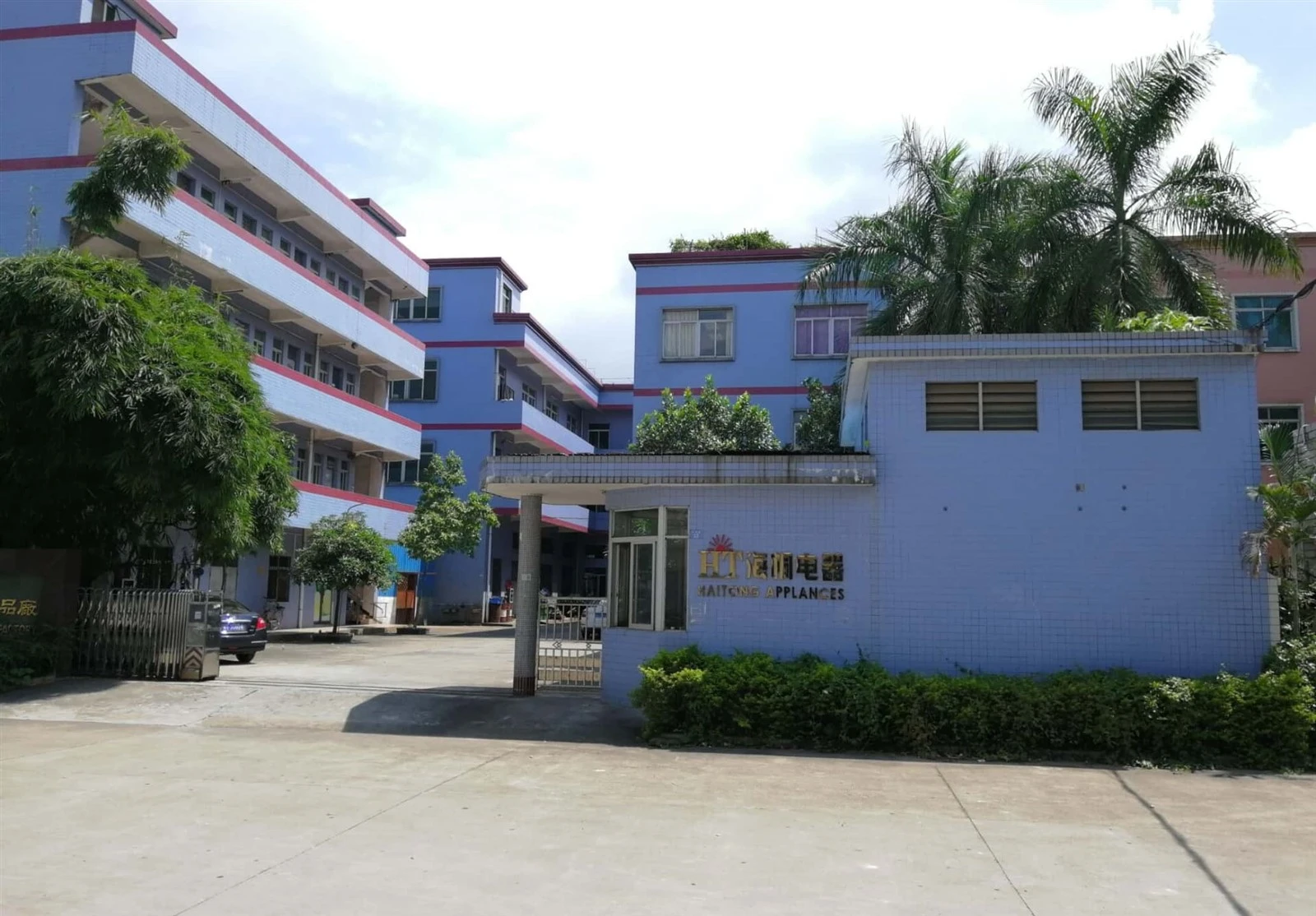

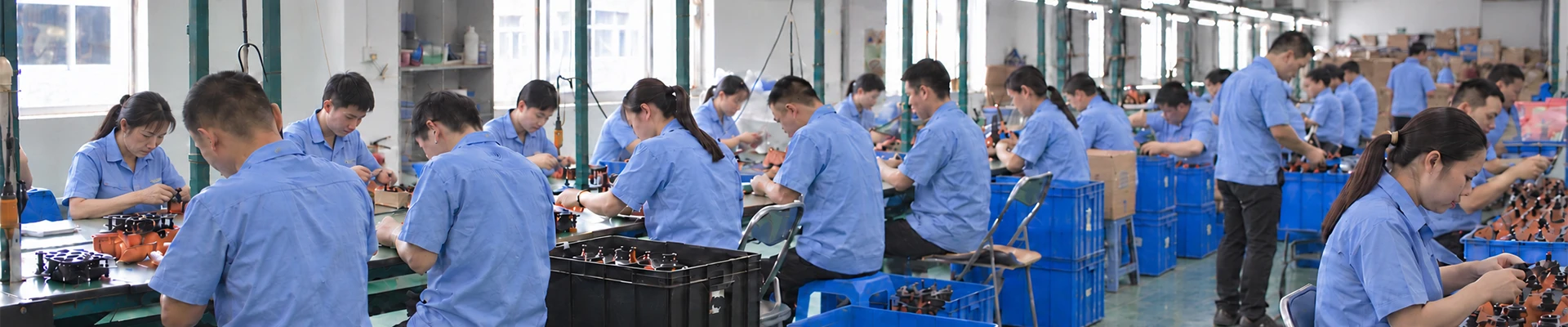
Hai Tong manufactures radio products in Dongguan and supports overseas buyers with in-house SMT, assembly, testing/aging and shielding-test resources. For a new project, the useful question is not only whether the factory can make the radio, but whether the exact product, artwork, battery and shipment documents can be tied back to one approved order specification.
Before Placing a Bulk Order
• Confirm the exact AM/FM/SW frequency presentation required for the destination market.
• Approve rechargeable-battery capacity and whether the two-AA backup configuration is required.
• Check the crank, solar, DC-input, clock/alarm, flashlight and audio functions on the evaluation sample.
• Approve logo, labels, manual, barcode, retail box and carton marks before mass production.
• Confirm which compliance and battery-transport documents apply to the exact ordered version and shipping route.
Buyer FAQ
Q1: Can The Radio Still Operate From Dry Cells If The Rechargeable Battery Is Unavailable?
Yes. The supplied specification lists a separate two-AA dry-cell option providing DC 3V. The AA batteries are not included.
Q2: Is The Built-In Solar Panel Intended To Be The Main Charging Method?
The panel is specified at 5V / 20mA, so it is better treated as a supplementary low-current input. Buyers should avoid presenting it as a fast-charging source and should explain the available DC and crank routes clearly in retail materials.
Q3: What Is The Normal MOQ For A Customized Order?
The standard MOQ is 500 PCS. Final feasibility for custom color, battery capacity, artwork or other changes should be confirmed before quotation and sampling.
Q4: Can I Evaluate A Sample Before Volume Production?
Yes. The source project workflow allows a pre-production sample; typical preparation is about five days for a standard or lightly customized version, subject to artwork, material availability and requested changes.
Q5: What Should I Confirm Before Ordering A Dynamo Emergency Radio Flashlight?
Start with the destination market, expected quantity, battery plan, required radio bands, branding and packaging. Then use the sample to verify the full power system and the analog-control experience before the production version is frozen.
Hot Tags: dynamo emergency radio flashlight, China dynamo emergency radio flashlight manufacturers, suppliers, factory


